Have an account?
Log in to check out faster.
Your may like
0302 Patch
0302 Hoodie
0302 Flag
0302 Desk Mat
0302 Canvas
0302 Fleece Blanket
Loading...
Suggested Products
Flags and Patches 30-60% Off
Free Domestic Shipping For Orders $150
I recently asked you all for input on what things you think make for a "bad leader". I took your comments, added my own thoughts, and this is the result. Now I want to preface this by saying that I have had the opportunity to lead many Soldiers at the team, squad, and platoon level. Additionally, I have worked in some non traditional areas where leadership can be challenging. Some of you have worked either for me or with me, and I admit I am not, and have not always been the best leader, although I had always tried to be the best possible out of respect for my profession and those in my care. This post is being written in retrospect, taking into account all of the things I have learned and wish I knew earlier. click below to continue reading full blog
A few months ago I handed off my duties and responsibilities as a company commander. Since exiting the position I have had a lot of time to reflect on my leadership lessons learned, which I wanted to share with junior leaders rising through the ranks today. Lesson 1) Leadership is a people business. The output of your organization will be a reflection of how your team is treated.
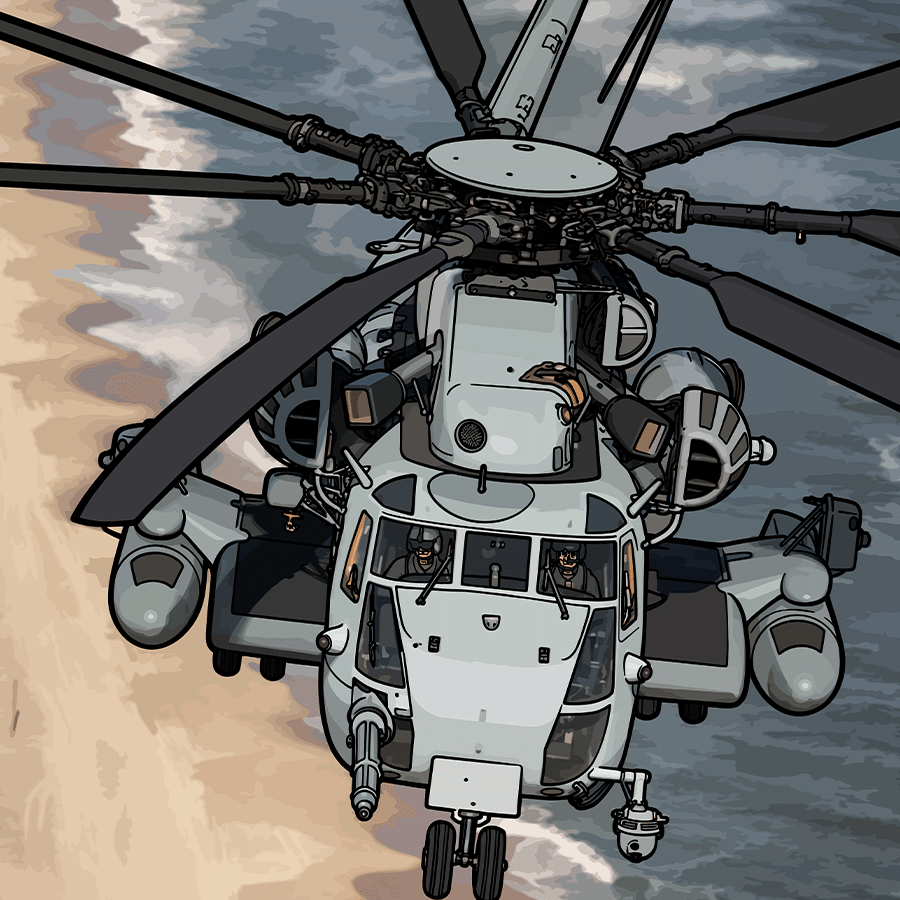
The many layers of straps and webbing had been cutting hard into my shoulders with every step I took. So much gear. So much weight. So many individual pieces of coarse fabric grinding away at the soft skin on my neck. My plate carrier with ammo and radio and antenna attached, my assault bag loaded with food, water, backup radio and batteries. More rifle ammunition and as many mortar rounds as I could possibly haul. I was cursing myself for trying a new single-point rifle sling. They have their purpose, but it certainly is not long foot patrols. Pressure and pain, a constant state of discomfort. Like the annoying mosquito that chose to live in your ear. We started the movement well before daylight, in the empty darkness. Well, we were on tarmac waiting for the aircraft which would be our ride into the drop off point. The sun had just broken the horizon when we de boarded the Chinook helicopter...
As we begin to exit the military, whatever our job may be, we are told to find a new purpose. To establish what our next mission will be before we ever take off the uniform for the last time. The military invests an untold amount of money in helping us all make that transition and establish what our new purpose might be. Different business and governmental agencies offer hiring preferences and incentives to veterans. It is honestly outright easy to find a job after one leaves the military. Really, the vast number of opportunities available may seem overwhelming and daunting. Therefore, I find it difficult to believe simply finding a job is an issue for vets upon separation, though I certainly know unemployment amongst this community is an issue and I do not wish to diminish that, but I’m about to dissect a separate issue entirely. I am talking about how important it is to find a new purpose and the positive impact it will have on your post military life. But is this all one should focus on?
The American Civil War ended on April 9th, 1865, and approximately 13 months later, the first observance of Memorial Day occurred. It began as women visited the graves of their sons, fathers, husbands, and brothers to lay flowers on or beside their gravestones. In the 1860’s, print media was the standard for spreading information, and word had developed of such observances for the dead men of the Civil War and many towns shadowed these women's' example. The first national celebration was held in 1868 at Arlington National Cemetery where the bones of both Confederate and Union soldiers were laid. It was a day of remembrance for the fallen, no matter which side of the conflict, all American’s were honored with flowers and a flag by their respective gravestones, suggesting unity and perhaps some healing had taken place in the again, United States.
My wife and I were visiting the Vietnam Wall memorial early one morning with plans to grab a few photos. I was taking in the sights and emotions, listening in on people's conversations. Many Vietnam veterans have not made the trip to visit this place, and we saw a few who were there for the first time. I look over and down the walkway I see an older man wearing his dress blue uniform, the ASU. It was very out of place to see and immediately I thought "wow, this is a Vietnam vet wearing his uniform". As he got closer I paid attention to him and his group - a lady who must have been his wife, and as younger man recording everything. As he got closer I notice this wasn't just any veteran, he was wearing the Medal of Honor.
Project 100,000, also known as McNamara's 100,000, McNamara's Folly, McNamara's Morons, and McNamara's Misfits, was a controversial 1960s program by the United States Department of Defense to recruit soldiers who would previously have been below military mental or medical standards. Project 100,000 was initiated by Defense Secretary Robert McNamara in October 1966 to meet the escalating manpower requirements of the American government's involvement in the Vietnam War. According to Hamilton Gregory, author of the book McNamara's Folly: The Use of Low-IQ Troops in the Vietnam War, inductees of the project died at triple the rate of other Americans serving in Vietnam and following their service had lower incomes and higher rates of divorce than their non-veteran counterparts. CLICK TO READ FULL STORY
The drop at Corregidor began at 8:30 AM on February 16, 1945. In two lifts, 82 C-47’s of the 54th Troop Carrier Wing carried 2,050 men of the 503rd from Mindoro. The initial drops were made from an altitude of 650 feet, but this was soon reduced to 500 feet or less to minimize drift. The RCT included two battalions of the 503rd Parachute Infantry and its headquarters, engineer and service companies, and field artillery batteries of 75 mm howitzers from the 462nd Parachute Field Artillery. The troops faced an estimated enemy defense of 850 (later proved to be over 5,000) in heavily fortified positions. READ FULL STORY
Money. It makes the world go round. I want to share my thoughts and things I have learned as an enlisted Soldier. Surviving on an E1 paycheck was tough in 2006, and its even harder now. That being said, the paycheck can go a lot further or shorter based on your habits. One of the biggest purchases an 18-20 something year old will likely make is a vehicle. Many end up buying a vehicle at their first duty station. A few things to consider here - Do you need a car right now? Often times everything you need is right next door. Work, the chow hall, gym are all near your living place. Often times you can get around just fine with a few friends. Get something practical. Why is it you see Majors drive beat up cars and privates driving chargers and cameros? Because they make better decisions thats why. Find something cheap and within your means. Just because you can make a $500 car payment doesn’t mean that you can afford it.